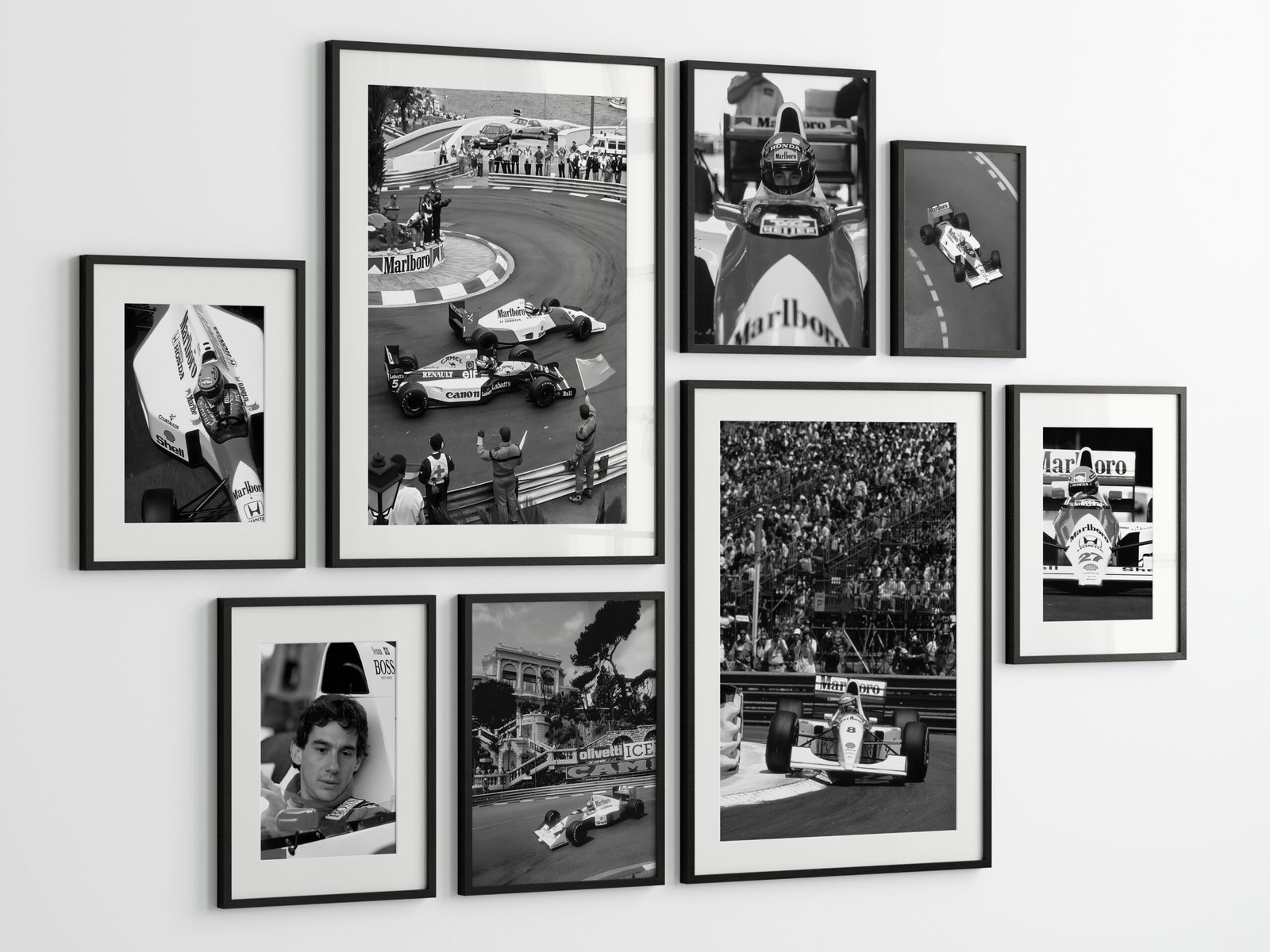
All posters are delivered as high-resolution digital files, ready for professional or home printing. This guide helps you choose the best size and format for your wall, frame, and space without cropping or quality loss.
Photography Prints - 5 Files Included
Photography-based posters include 5 optimized files, designed to cover the most common international print sizes and aspect ratios.
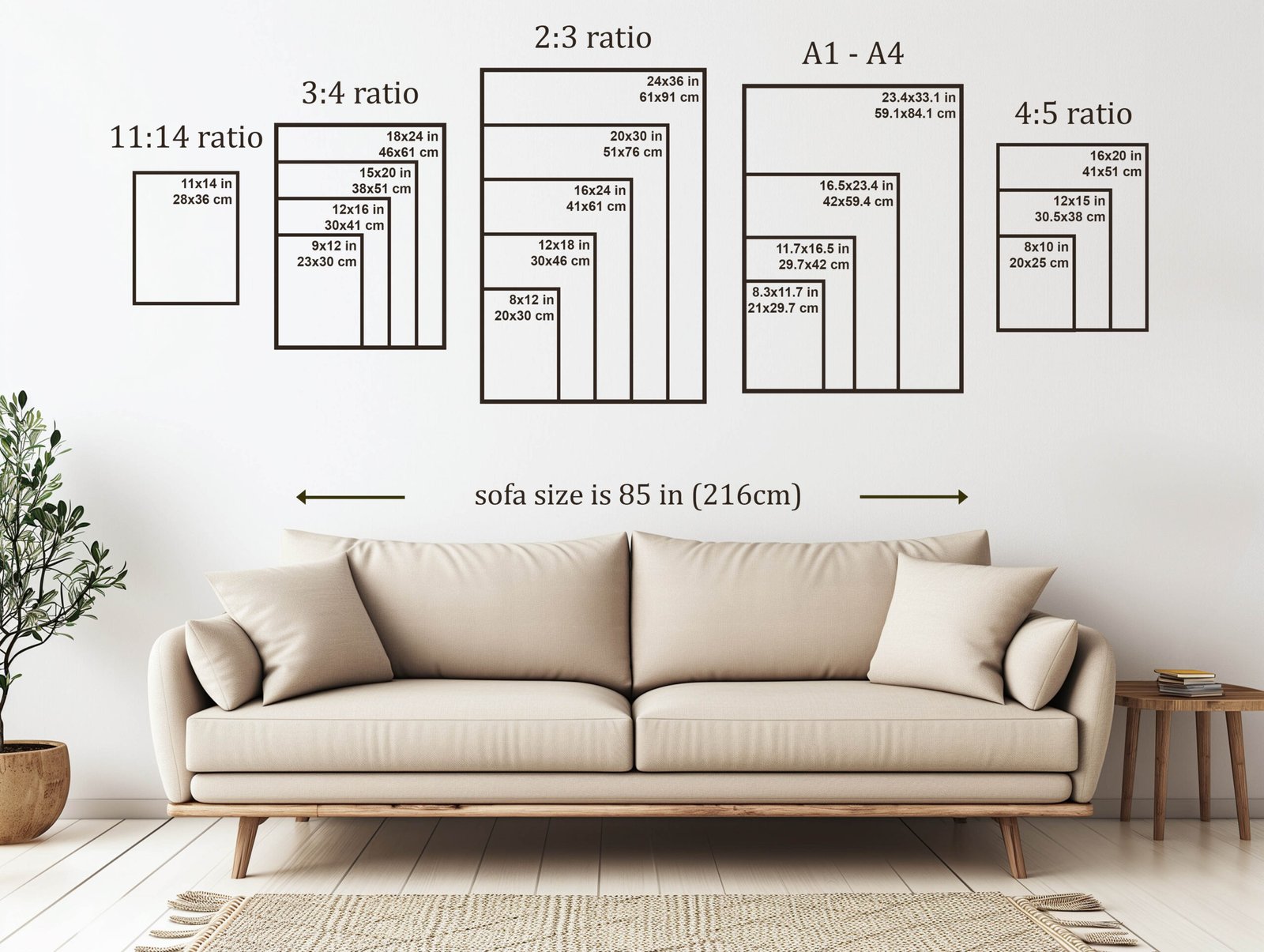
2:3 Ratio - 12×18, 16×24, 18x27, 20x30, 24×36 in
3:4 Ratio - 12×16, 15x20, 18×24 in
4:5 Ratio - 8×10, 12x15, 16×20 in
Iso Sizes - A4, A3, A2, A1 and 50x70cm
11:14 Sizes - 11x14 in
Design Posters - 3 Files Included
Design posters focus on clean composition, typography balance, and visual precision. Files are carefully selected to maintain layout integrity.
2:3 Ratio - 12×18, 16×24, 18x27, 20x30, 24×36 in
3:4 Ratio - 12×16, 15x20, 18×24 in
Iso Sizes - A4, A3, A2, A1 and 50x70cm
Measure Your Wall
Whether you’re decorating a home office, living room, or a motorsport-inspired space, measuring your wall properly ensures your poster looks balanced and intentional not too small or overwhelming.
Follow these simple steps before choosing your print size:
1. Choose the Wall
Decide exactly where your poster will be displayed. Consider lighting, viewing distance, and surrounding elements.
2. Clear the Area
Remove existing artwork or decor to see the available wall space clearly.
3. Measure the Wall
Use a tape measure to record both the width and height of the usable wall area.
4. Find the Center Point
Mark the horizontal and vertical center of the space. This helps keep your poster visually balanced.
5. Consider Furniture Placement
If hanging above furniture (desk, sofa, console), your poster should be about 60–75% of the furniture width.
6. Visualize the Size
Use painter’s tape or paper cutouts to outline the poster size on the wall. Step back and evaluate the proportions.
7. Adjust if Needed
If it feels too small, go larger. Wall art almost always looks better slightly oversized than undersized.
Login
Register
Welcome Back 👋 Sign in to access your account and continue where you left off.
Welcome aboard 🚀 Create your account to access everything you need.